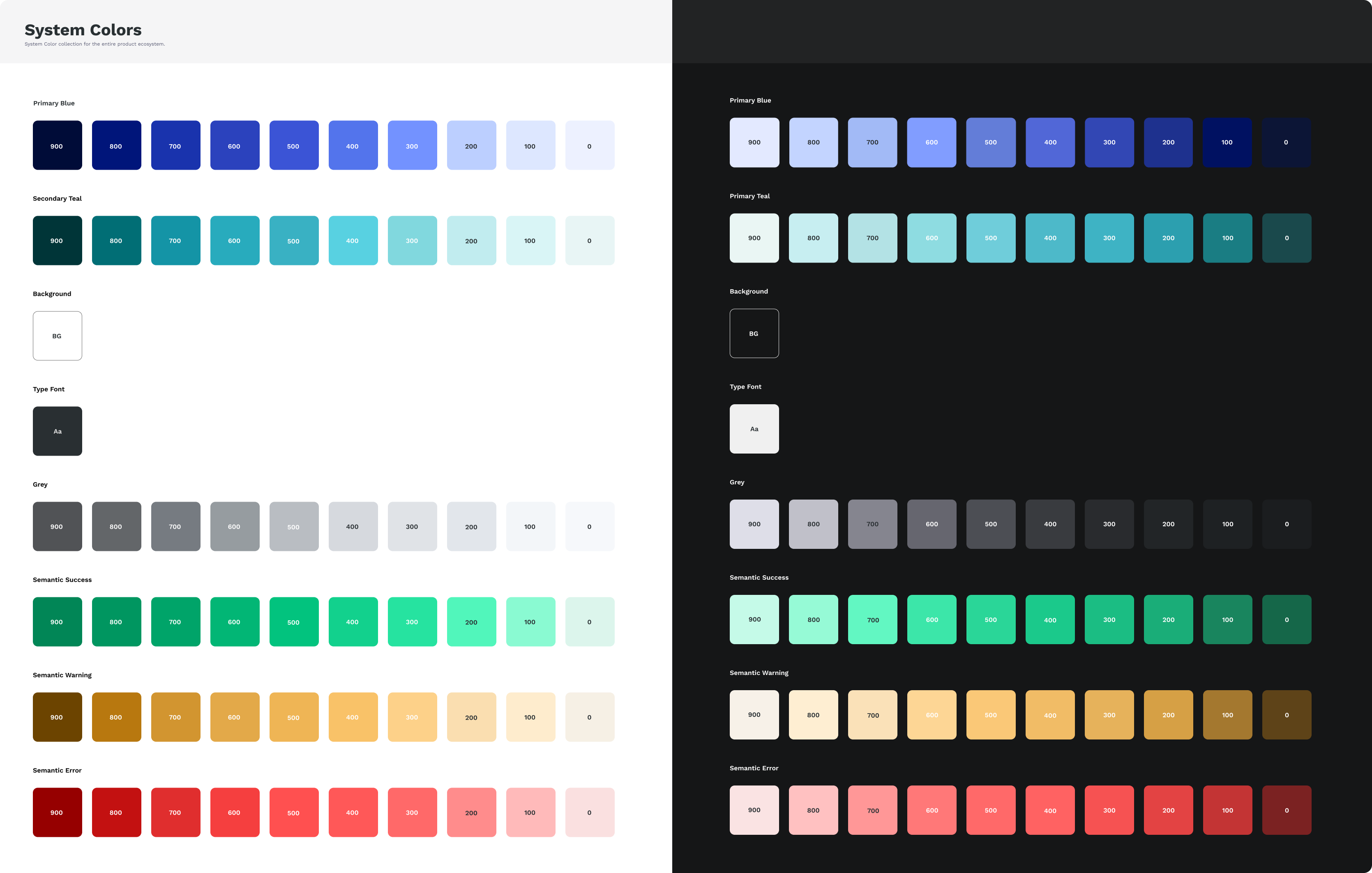
Ottobock has a variety of application on different platforms for different user groups. Some of them run on very old operating systems and therefor look like something straight out of the 90s. The goal was to combine all application in a unified design language and use reworked UI Elements which meet todays standard.
My Contributions
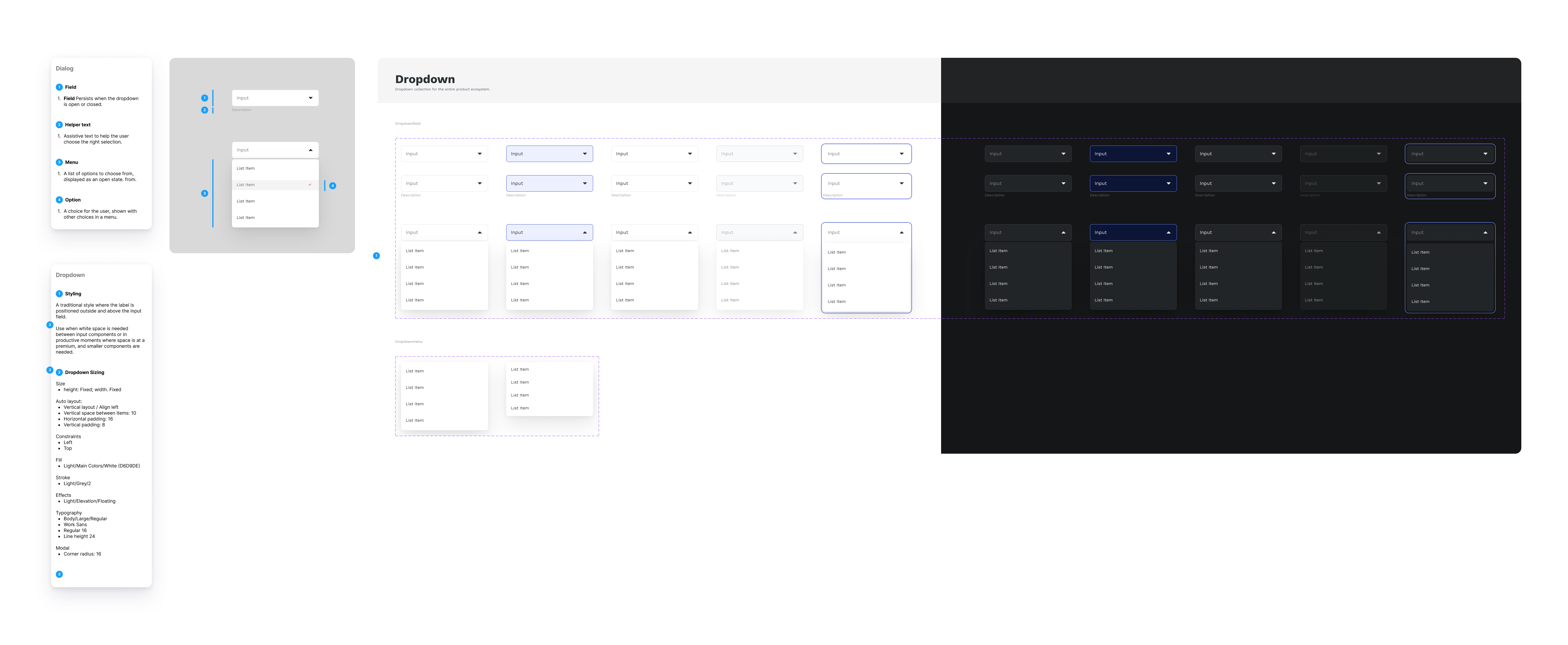
The first big challenge was to get a grasp of all the different use cases an functionalities the Ottobock ecosystem has to offer. Me and my team worked out every existing UI component and documented all important user flows. We then build a completely new design library which can be used for all existing and new applications to come.
The complete look and feel for all applications had to be renewed.
All Components needed specification regarding their interactions.
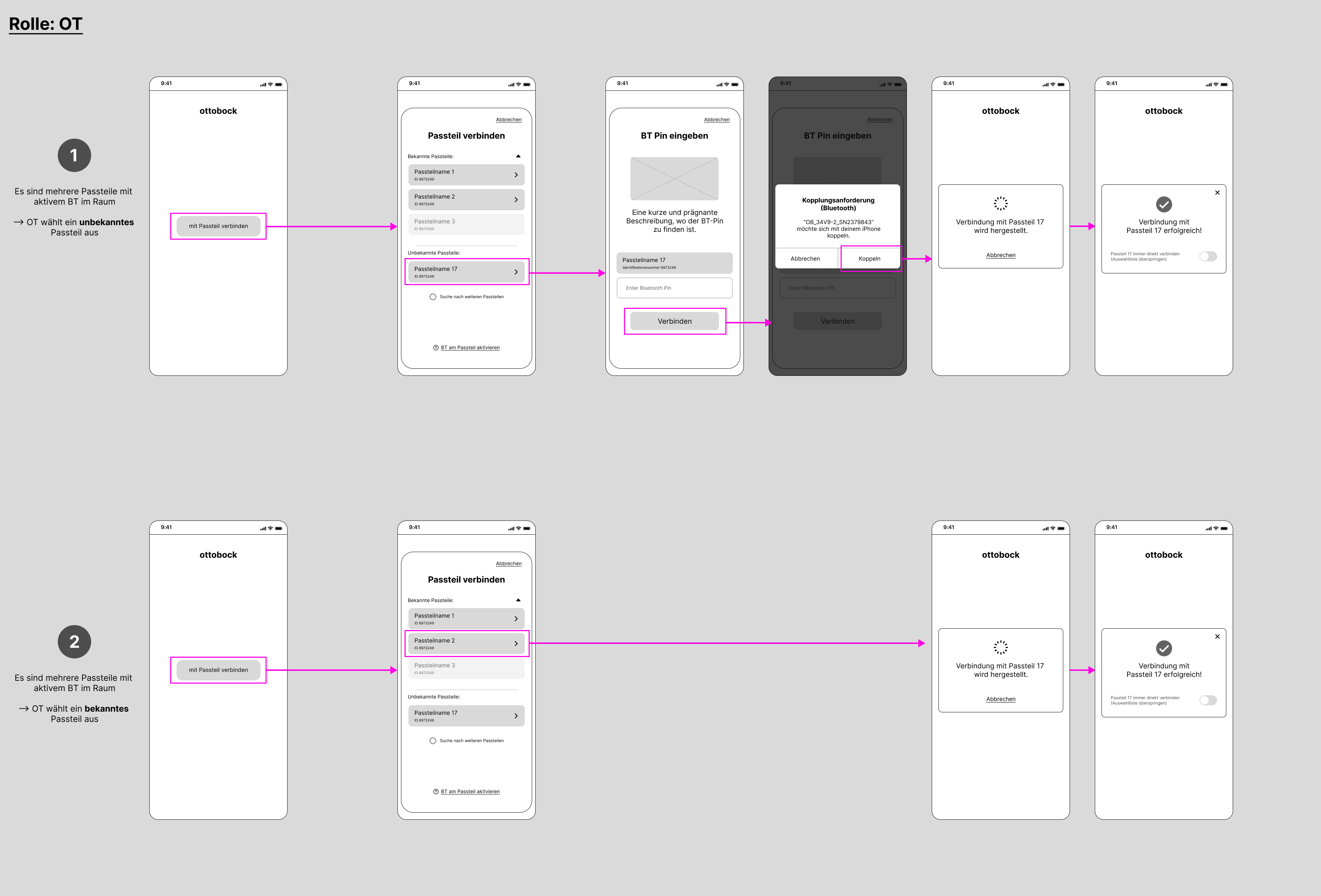
Crucial user flows were documented and specified for different platforms.
This project focused on improving the user experience for both prosthetics users and admin users within the Ottobock ecosystem. We began by conducting an in-depth review of all existing UX patterns across Ottobock’s applications, working closely with the client to identify challenges faced by prosthetics users.
A critical focus was simplifying the process of connecting and configuring new prosthetics through their dedicated application. Additionally, we analyzed all applications used by orthopedists to extract and refine UX patterns tailored for admin users. This step provided a clear foundation for designing a more streamlined and intuitive experience for professionals managing prosthetic devices.
With this understanding, we proceeded to collect and redesign all existing UX components, ensuring consistency and usability across the ecosystem. Key UX flows were updated to address user needs, and corresponding wireframes were created to visualize and iterate on these improvements.
The final deliverable was a comprehensive design library that not only provided reusable components but also served as a guide for the client in maintaining and enhancing their applications. Alongside this, we redefined the processes for connecting and configuring prosthetics, ensuring a smoother and more user-centric experience for all stakeholders.
Process
This project provided valuable insights into the intricate world of prosthetics and their functionality. Ottobock’s extensive range of prosthetic devices, designed to meet a wide variety of needs, introduced me to numerous specialized terms and concepts. Developing a deep understanding of these complexities was crucial to creating meaningful and effective designs.
A key takeaway was the importance of design integrity and reliability, as end users depend on these applications to navigate their daily lives. This reinforced the critical role of user-centered design in delivering solutions that are not only functional but also trustworthy.
Additionally, I gained significant experience in UI component creation, refining my ability to build modular, scalable, and accessible design elements. Overall, this project offered profound insights into a highly specialized field and further strengthened my expertise in crafting user-centric digital solutions.